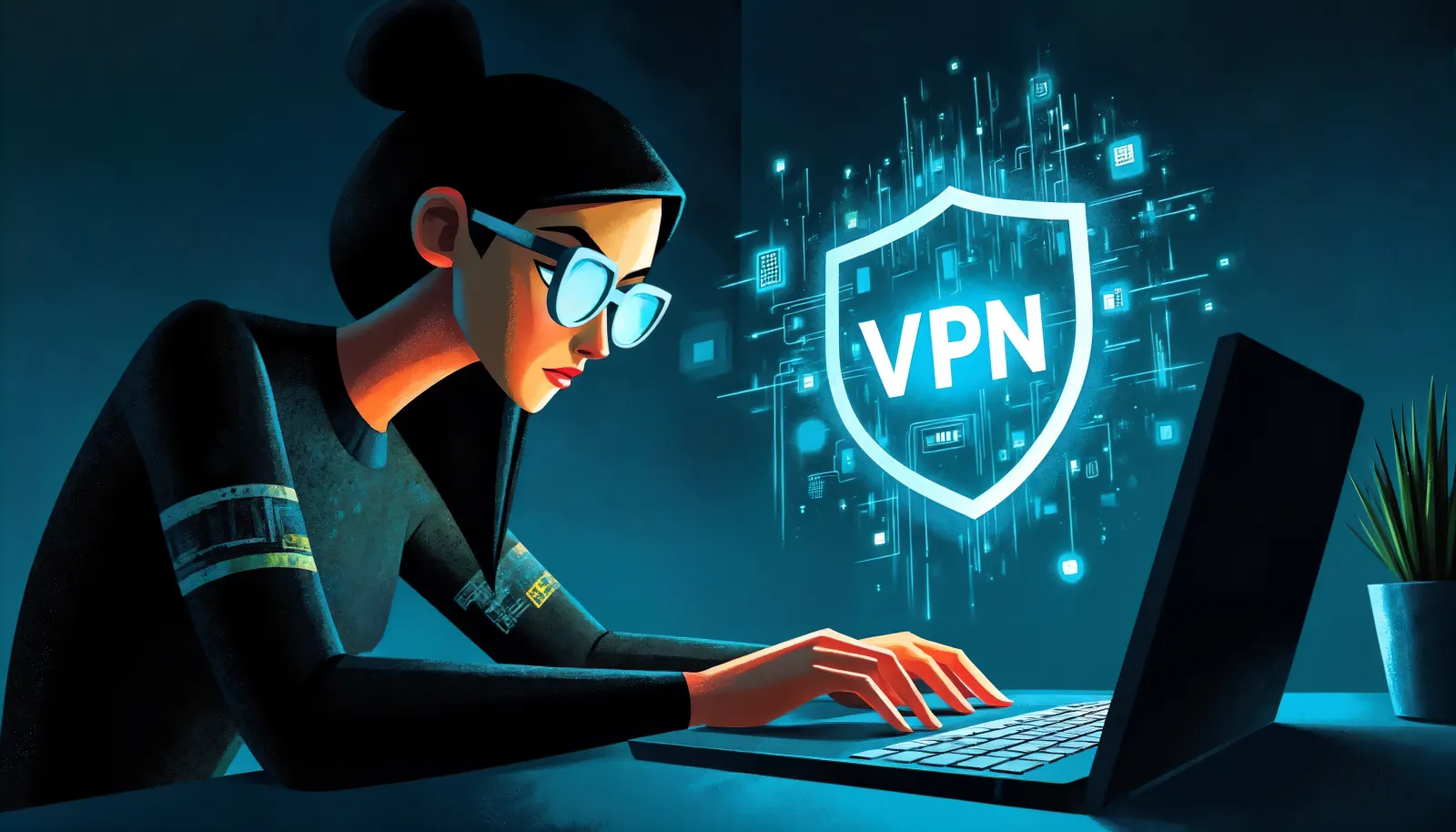
What is a VPN? The Key to a Secure and Private Internet
In today's digital age, the internet has ceased to be just a means of accessing information; it has also become a living space where we conduct our business, socialize and carry out our banking transactions. But because it's used so much, it comes with some risks: privacy breaches and data leaks.
This is where * *VPN (Virtual Private Network - VirtualPrivate Network) * * comes into play. So, what does this technical term mean and how does it affect our daily lives? In this guide, we'll take a deep dive into what a VPN is, how it works, and why you should have a security priority.
What is a VPN? Its Principle of Operation Is Simply Explained
Simply put, a VPN is a service that routes your internet traffic through an encrypted tunnel.when you connect, all your data goes through this tunnel. In this way, you feel as if you are virtually connected to a private and secure network.
How Does a VPN Work?
A
VPN performs two basic functions by encrypting traffic between your device and the internet:
- Encryption: Converts your data into a format that cannot be read.makes it impossible for the hacker or your internet service provider (ISP) to understand what happened even though they have taken over your data.
- IP Address Masking: It hides your IP address, which is your identity on the Internet, and replaces it with an IP address elsewhere in the world (where the VPN server is located). In this way, your true location and identity are protectedsure.
Top Reasons to Use a VPN (Why You Should?
)
So, what problems do these promises of encryption and privacy solve in our daily lives? Here are the most important use cases:
1. Security and Privacy (Especially in Wi-Fi Networks)
Public Wi-Fi networks, such as cafes, airports, or hotels, can be dangerous due to vulnerabilities. On these networks, malicious people can eavesdrop on your network traffic. VPNprotects your personal data (passwords, banking information) by making this eavesdropping impossible.
2. Overcoming Geo-blocking
Some content (streaming platforms, news sites, etc.) is broadcast with geographical restrictions. Using a VPN, you can virtually look like you're in another country. This allows you to access content that is inaccessible in your location.
3. Anonymity and CensorshipAvoidance
A VPN makes it harder for both advertisers and governments to track you. Using a VPN offers a free internet experience, especially on politically sensitive issues or in areas where censorship is high.
Things to Consider When Using a VPN
Not
every VPN is the same. To ensure the best performance and safety, there are a few points you should pay attention to:
- <span class= "ql-ui"contenteditable= "false" > No-Logs Policy: A reliable VPN should not log your online activity. This is the most important guarantee of confidentiality.
- Encryption Strength: Make sure that the encryption protocols used (such as AES-256) are up-to-date and strong.
- <spanclass= "ql-ui" contenteditable = "false" >Speed and Connection: VPN can sometimes cause speed drops due to encryption. It is important to choose a service that offers this balance.
As a result, a VPN is not just a technological tool, but an insurance in your modern digital life. Encrypt your data, mask your identity, and bypass geo-restrictions to create a more secure, free, and anonymous internet experience. The next time you go online, you'll want to use a VPN to protect your privacyyou should think about it!

💬 Yorumlar (0)
Henüz yorum yok. İlk yorumu siz yapın!
Yorum Ekle